Vacation souvenirs serve as emotional anchors, carrying stories of where we’ve been, who we’ve met, and how travel has shaped us. For countless explorers, bringing home keepsakes is a ritual tied to nostalgia, accomplishment, and a sense of connection. These tangible objects crystallize fleeting moments into memories we can relive again and again.
Nostalgia As A Powerful Anchor
At the heart of collecting souvenirs lies nostalgia. Every trip carries snapshots in our minds, walking down a city street, hearing the roar of a stadium crowd, or catching a sunrise at a mountaintop. Objects like a polished Token or memorable Zion National Park souvenirs become physical triggers that revive these memories with striking clarity. Unlike digital photos stored away on phones, souvenirs invite us to hold, see, and re-experience the moment.
Souvenirs As Symbols Of Progress
Travel is often tied to goals and achievements, and souvenirs become symbols of progress along the way. From visiting every U.S. state to ticking off national parks, each Token or handcrafted piece represents a personal milestone. Much like collecting badges or medals, souvenirs transform adventures into markers of growth, showing the dedication and spirit behind each journey.
Building Social Bonds Through Souvenirs
Souvenirs also carry a substantial social value. When displayed on a shelf, worn on a chain, or shared with friends, they spark conversations that connect personal experiences to larger communities. A handcrafted item from a market or a medallion from a park becomes a story waiting to be told, inviting others to reminisce, listen, and even plan their own adventures.
Souvenirs That Reflect Purpose
The psychology of collecting is not limited to memory or achievement; it also involves values. Choosing souvenirs created by local artisans or tied to conservation efforts ensures purchases carry meaning beyond the traveler. These items honor cultural traditions, support local communities, and promote responsible tourism.
The Rise Of Collectible Tokens For States, Countries, And Parks
The way travelers commemorate their journeys has undergone significant changes. Vacation souvenirs are no longer just magnets or postcards bought in bulk; today, there is a growing appreciation for collectibles that feel both personal and enduring. Among these, Tokens representing States, Countries, National Parks, Major League Baseball stadiums, and cities have emerged as a favorite.
Why Tokens Resonate With Modern Travelers
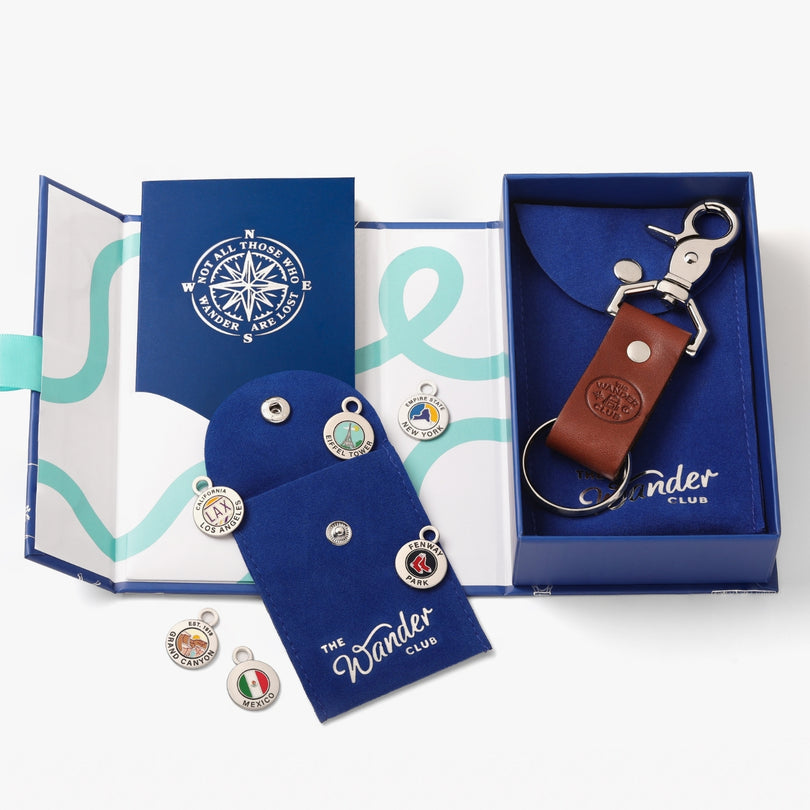
Travelers today seek souvenirs that reflect authenticity and their unique identity. A Token etched with the name of a state visited, a city explored, or a park admired holds emotional weight. It’s a testament to the experiences lived, challenges conquered, and goals achieved. For many, collecting Tokens becomes an ongoing quest, each new piece a chapter in a personal travel story. Even city Tokens tied to popular destinations rank among the best NYC souvenirs to pick up, capturing the essence of urban adventures.
Tokens As Milestones Of Adventure
The popularity of collectible Tokens stems from their ability to symbolize milestones. Imagine holding a Token for Yosemite National Park or New Orleans, it immediately recalls the hike you completed, the music you heard, or the food you shared with friends. Each addition to a collection becomes part of a timeline, turning wanderlust into something tangible and lasting.
Craftsmanship That Reflects Quality
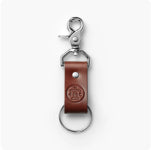
Part of the rise in interest lies in the craftsmanship behind these Tokens. Unlike mass-produced trinkets, many are made from durable materials, such as solid brass, and paired with holders crafted from full-grain leather. The result is a keepsake that reminds you of your journey and ages beautifully over time. The natural patina of brass or the softening of leather adds character, making the souvenir feel alive with your adventures.
Personalization For Deeper Connections
Another factor fueling their popularity is personalization. Collectors can engrave up to 30 characters (15 per line, 2 lines) on the back of each Token. This transforms an already meaningful souvenir into something intimate, whether it’s the date of a first visit, the name of a travel companion, or a short phrase that carries significance.
Building Community Through Collecting
Beyond individual storytelling, Tokens inspire connection among fellow travelers. Comparing collections or sharing stories behind each piece often sparks instant bonds, creating a sense of community rooted in shared adventure.
Vacation souvenirs should accompany you on your travels. With Tokens for states, parks, and cities, paired with durable Wanderchains, The Wander Club turns memories into timeless keepsakes. Add meaning to every adventure and let your souvenirs tell the story of a life well-traveled.
Eco-Friendly Souvenir Ideas For Sustainable Travelers
As sustainability becomes a central part of travel, eco-friendly souvenirs are gaining momentum. They allow travelers to celebrate experiences without contributing to mass production or waste.
Choosing Souvenirs From Sustainable Materials
One of the best ways to shop responsibly is by selecting souvenirs made from eco-friendly or locally sourced materials. Recycled wood, bamboo, organic cotton, and repurposed textiles are common in artisan crafts worldwide. Handwoven baskets, carved utensils, or fabric pouches created from reclaimed cloth are not only beautiful but also symbolic of creativity and conscious consumption. Even when shopping for the best Las Vegas souvenirs, mindful travelers increasingly look for items made with sustainable practices.
Capturing Memories Through Photography
Souvenirs don’t always need to be physical purchases. Photography remains one of the most eco-friendly ways to preserve travel memories. A curated album of landscapes, architecture, or daily life captures authenticity while avoiding waste. Printing a small selection for a scrapbook or creating a digital slideshow offers a personal and environmentally conscious way to relive your journey.
Experiences As Lasting Keepsakes
Eco-friendly souvenirs can also come in the form of experiences. Cooking classes, cultural workshops, or guided nature walks offer lasting skills and stories without cluttering your home. These memory-based mementos often resonate more deeply than mass-produced objects, becoming gifts you carry in your heart and share through storytelling.
Bringing Nature Home Responsibly
For travelers passionate about conservation, consider collecting regional seeds or native plant cuttings, where legal and ethical, to create living souvenirs. Planting them at home allows you to watch your travel memories grow season by season, serving as a living reminder of your connection to the destination.
Consumables With Cultural Meaning
Food-based souvenirs, such as locally blended teas, spices, or artisanal jams, are both sustainable and meaningful. They let you relive flavors from your trip while supporting small producers. Once enjoyed, they leave no lasting waste.
How To Choose Souvenirs That Support Local Artisans
Vacation souvenirs can be either generic items picked up in passing or meaningful keepsakes that honor both your journey and the people who made them. Choosing souvenirs created by local artisans ensures that your memento carries cultural value, supports communities, and reflects authentic traditions.
Recognizing Authentic Craftsmanship
The details distinguish authentic artisan souvenirs. Handwoven textiles, pottery shaped from local clay, or wood carvings made from regional timber each carry the identity of their origin. These items often show slight variations, marks of human skill that reveal authenticity. In contrast, mass-produced goods look identical, lack cultural connection, and rarely tell the story of the destination. Travelers looking for unique New Orleans souvenirs, for example, often value handmade items tied directly to the city’s cultural heritage.
Asking Questions About The Process
Engaging artisans directly enriches the experience of buying souvenirs. Ask about the inspiration behind their work, the techniques they use, and the meaning of the designs. Many artists are eager to share their heritage, turning your purchase into a conversation that builds cultural understanding. These interactions create souvenirs with added depth, as you carry home not only an object but also the narrative of its maker.
Supporting Cultural Heritage
When you purchase from local craftspeople, you contribute directly to the preservation of traditions that might otherwise fade. Techniques such as batik printing in Southeast Asia, silver filigree in South America, or beadwork in African villages are often passed down through generations. Choosing artisan-made goods sustains these practices and ensures that cultural artistry thrives in a globalized world. Many of the best Hawaii souvenirs also highlight this tradition, often crafted from native materials with techniques rooted in generations of island culture.
Shopping Beyond Tourist Shops
Mass-market shops often sell imported souvenirs with little connection to the local community. Instead, seek out artisan cooperatives, open-air markets, or roadside workshops. These venues frequently provide creators with a direct profit, supporting families and local economies. Fair trade certifications can also serve as a guide, confirming that purchases are ethical and that artisans are fairly compensated for their work.
Avoiding Tourist Traps: Spotting Genuine Keepsakes
Souvenirs are meant to represent the heart of a journey, yet many items sold in tourist-heavy areas lack authenticity and cultural value. To ensure your vacation souvenirs truly reflect the places you visit, it’s essential to shop with awareness and intention.
The following guidelines will help you spot genuine keepsakes and avoid tourist traps.
- Research Before You Travel: Take the time to learn about the local crafts, traditions, and materials of your destination. Understanding what is authentic prepares you to make informed choices and avoid mass-produced imports disguised as local goods.
- Sift Through The Craftsmanship: Authentic items often reveal handwork in their details, slight imperfections, unique finishes, or artisanal touches. If every piece on the shelf looks identical, it is likely machine-made and inauthentic.
- Pay Attention To The Materials: Local materials are a strong indicator of authenticity. Whether it’s wood carved from nearby forests, textiles dyed with natural pigments, or pottery crafted from regional clay, genuine souvenirs carry the identity of their origin.
- Ask About Origins & Techniques: Engage sellers in conversation. Authentic artisans are often eager to share the story behind their creations, from their cultural significance to the production techniques used. Hesitation or vague answers can be a red flag.
- Shop With Intention, Not Convenience: Souvenirs found in high-traffic locations such as airports or chain retailers can sometimes be mass-produced. Look for signs of authenticity, materials, craftsmanship, or artisan partnerships that show the item genuinely reflects the place you visited.
- Look For Cultural Relevance: Genuine keepsakes often reflect symbols, stories, or traditions meaningful to the community. If an item feels generic or disconnected from the local culture, it may not be an authentic representation of the place.
- Support Ethical & Fair-Trade Options: Seek out fair-trade labels or community cooperatives where artisans are paid fairly for their work. These purchases ensure your money goes toward sustaining cultural heritage rather than exploitative supply chains.
Genuine keepsakes become lifelong reminders of adventure, authenticity, and respect for the places that shape your story.
Read also: