








The best souvenirs connect you to something you actually did: the neighborhood you explored, the meal you still talk about, or the person who shared the trip. Start with something small, locally made, and easy to use or display. If you want a consistent collection across destinations, choose one type of keepsake you can add to after each adventure.
That might mean a textile from a local maker, a print of a favorite street, or a collection of Country Tokens. Here are ideas for 20 countries, followed by a shopping method you can use wherever you go. This is a starting point for your collection, not a claim that one object can sum up an entire country.

What makes a souvenir worth bringing home?
A good souvenir has a clear connection to your trip, fits your life at home, and survives the journey back. Before paying, ask yourself: where will I keep this, and what story will I tell about it? If neither answer comes easily, take a photo and keep looking.
Psychology researcher Amit Kumar put the value of those stories plainly: “People are more inclined to talk about their experiences than about their material purchases, and they derive more happiness from doing so,” he said in Cornell’s report on research with Thomas Gilovich. That research is about experiences and conversation, not proof that buying a souvenir makes you happier. Our takeaway: choose an object that gives you a reason to tell the story.
- For a carry-on-only trip, look for paper goods, small textiles, or compact keepsakes.
- For a home you love decorating, choose one piece you already have space for.
- For a gift, consider the recipient’s taste before the destination’s most famous export.
- For a long-term collection, pick a format you can keep adding to without needing another shelf.
What souvenirs should you look for around the world?
These are shopping ideas, not an official “best” item for each country. Look for a maker’s name, ask where an object was produced, and choose designs tied to the places you visited. A small purchase with a story often means more than the biggest item in the shop.
What are good souvenir ideas from Europe?
- Portugal: A contemporary ceramic tile or small ceramic dish from a maker’s shop. Buy new work rather than an architectural tile of uncertain origin, and ask for protective packaging.
- Spain: An illustrated city print or a painted fan. Choose a scene or pattern you genuinely like rather than automatically buying the first landmark design.
- France: A linen kitchen towel, art postcard, or small print. A kitchen textile is especially useful if bringing food home would complicate your customs declaration.
- Italy: A locally made paper notebook or a small ceramic piece. Check the maker’s details; a “Made in Italy” label alone does not tell you who made it.
- Greece: A small piece of contemporary pottery. Ask whether decorative pieces are suitable for food before turning one into your everyday olive bowl.
- Ireland: A wool scarf with a clear fiber-content label. Check where it was woven or knitted rather than assuming every Celtic-patterned item was made locally.
- Iceland: A wool accessory from an identified local maker. If luggage space is tight, a hat is easier to bring home than a full sweater. Our Iceland souvenir guide has more ideas.

What are good souvenir ideas from Asia?
- Japan: A tenugui, the light cotton cloth used for drying, wrapping, and decoration. The Japan National Tourism Organization’s guide explains the appeal of collecting different designs. Pick a pattern that reminds you of your trip.
- South Korea: A small stationery set or an illustrated print by a local artist. Paper goods pack flat, but keep them in a rigid folder so the corners survive.
- Vietnam: A phin coffee filter for someone who will enjoy the brewing ritual at home. Pair it with your notes about a favorite café, and read our Vietnam souvenir guide for other options.
- Thailand: A small woven pouch or textile from a maker whose materials and process you can learn about. Check the fiber label instead of assuming a shiny fabric is silk.
- India: A block-printed scarf or fabric pouch. Ask the seller about the printing method and care instructions so you know what you are buying and how to look after it.

What are good souvenir ideas from Africa and the Middle East?
- Morocco: A small ceramic bowl or woven pouch. Choose the portable version of something you love; shipping a large, fragile purchase can change the entire budget.
- South Africa: Beadwork purchased directly from an artist or an established craft shop that identifies its makers. Keep the artist’s card with your travel notes.
- Türkiye: A small ceramic dish or cotton towel. Ask about materials and food safety if you intend to use a decorative piece at the table.

What are good souvenir ideas from the Americas and Oceania?
- Mexico: A small textile or contemporary ceramic piece from a local workshop. Learn who made it and what the pattern means rather than treating all regional styles as interchangeable.
- Peru: A woven accessory with a clear fiber-content label. If you want alpaca, check the composition instead of relying on the feel of the fabric.
- Canada: A local art print or illustrated trail postcard. For Indigenous art, buy from the artist or a reputable Indigenous-owned source and retain the attribution.
- Australia: A print from a local artist. For Aboriginal and Torres Strait Islander art, look for transparent artist attribution and ethical sourcing. See our Australia souvenir guide for more possibilities.
- New Zealand: A print, locally made textile, or piece bought directly from a maker. If you are considering Māori art or designs, seek the maker’s story and guidance rather than guessing at a symbol’s meaning.

How can you build a souvenir collection across countries?
Choose a repeatable format and a simple rule: one keepsake for each country visited, one for each shared trip, or one for the places that changed you. You do not have to collect everything. Start with three trips you remember clearly and build from there.
International travel is a huge category: UN Tourism estimated 1.4 billion international tourist arrivals in 2024. Those are arrivals, not 1.4 billion different people. Your own collection can be much smaller and still tell a complete story.
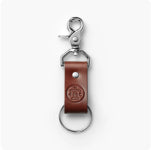
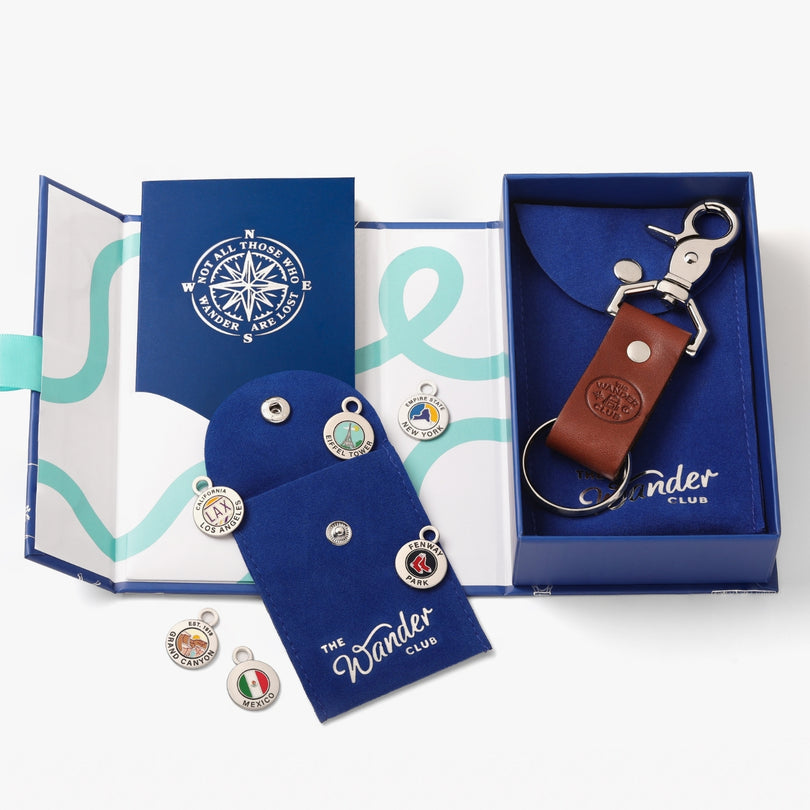
Our current Country Tokens are made with hard enamel and tarnish-resistant brass and measure 17mm by 1.25mm. Choose the destinations that mean something to you and pair them with a Brown Wanderchain leather keychain. These are keepsakes you can order to commemorate a trip, not locally made souvenirs from the countries they depict.
A local purchase and a Token can do different jobs: the handmade bowl belongs on your table, while the Token keeps that destination with you. If you prefer to start small, our beginner’s guide to collecting travel Tokens walks through the basics.

What should you check before packing a souvenir?
Check import rules before buying food, seeds, plants, untreated natural materials, or animal products. A shop’s willingness to sell something does not guarantee you can take it across a border. Rules depend on the item, its origin, and your destination.
For travelers entering the United States, USDA APHIS advises declaring agricultural and wildlife products. Review the current guidance before you shop. Elsewhere, check your destination’s customs authority.
- Leave historic fragments, shells, coral, and protected natural objects where they belong; buy an appropriate alternative.
- Photograph the maker’s name and keep receipts for valuable purchases.
- Pack ceramics with space and padding, not directly against the suitcase wall.
- Use a rigid folder for prints and separate damp toiletries from textiles.
- Check airline liquid limits before putting bottled souvenirs in a carry-on.

How do you keep the story with the souvenir?
Write down the place, date, maker, and one thing you remember before the details fade. A note in your phone is enough. For gifts, include that story in the card: “This reminded me of the café where we waited out the rain” is more personal than “I brought you something.”
Whether you return with a tenugui, an artist’s print, or plans to add a Country Token, choose the memory first. The keepsake should help you find your way back to it.

Frequently asked questions
What is the best souvenir to collect from different countries?
Choose a repeatable format you enjoy, such as postcards, small textiles, local art, or Country Tokens. The best choice fits your space and gives you a reason to remember each trip.
Are Country Tokens made in the country they represent?
Country Tokens commemorate destinations; they are not presented as locally made souvenirs from those countries. Buy directly from a local maker when local craftsmanship is your priority.
What souvenirs are easiest to pack?
Postcards, small prints in a rigid folder, light textiles, and compact keepsakes are generally easier to pack than large ceramics or bottles. Check import rules for the specific item before buying.
Can I bring food souvenirs into the United States?
It depends on the food and where it comes from. Check current USDA APHIS and U.S. Customs and Border Protection rules and declare agricultural products when entering the country.